 Lift
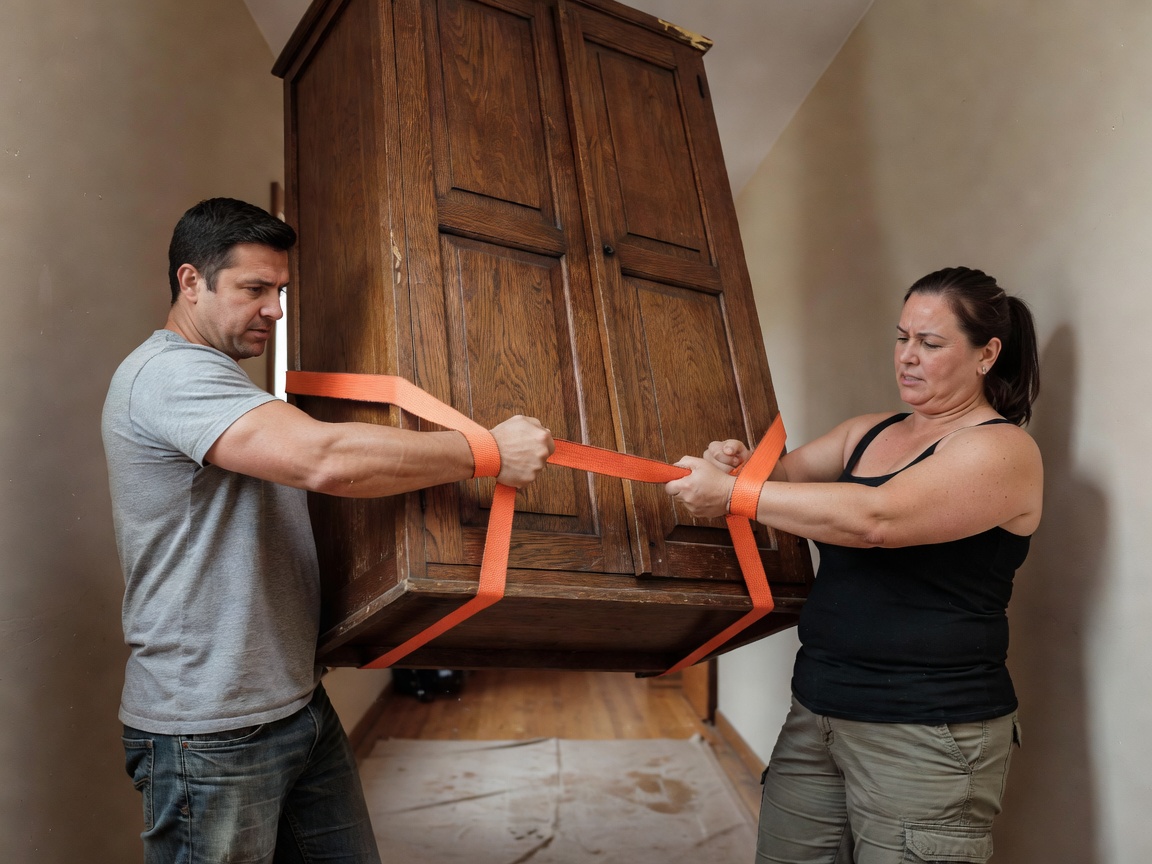
Forearm lifting straps
A sling across the forearms shares the load between two people and keeps the grip secure.
- Users
- Two people
- Check
- Rated load on the label
- Skip
- For very fragile items
Stage three: lift
You do not need to be strong to move furniture. You need the right grip, a plan for the doorway and a little patience.
Step 01
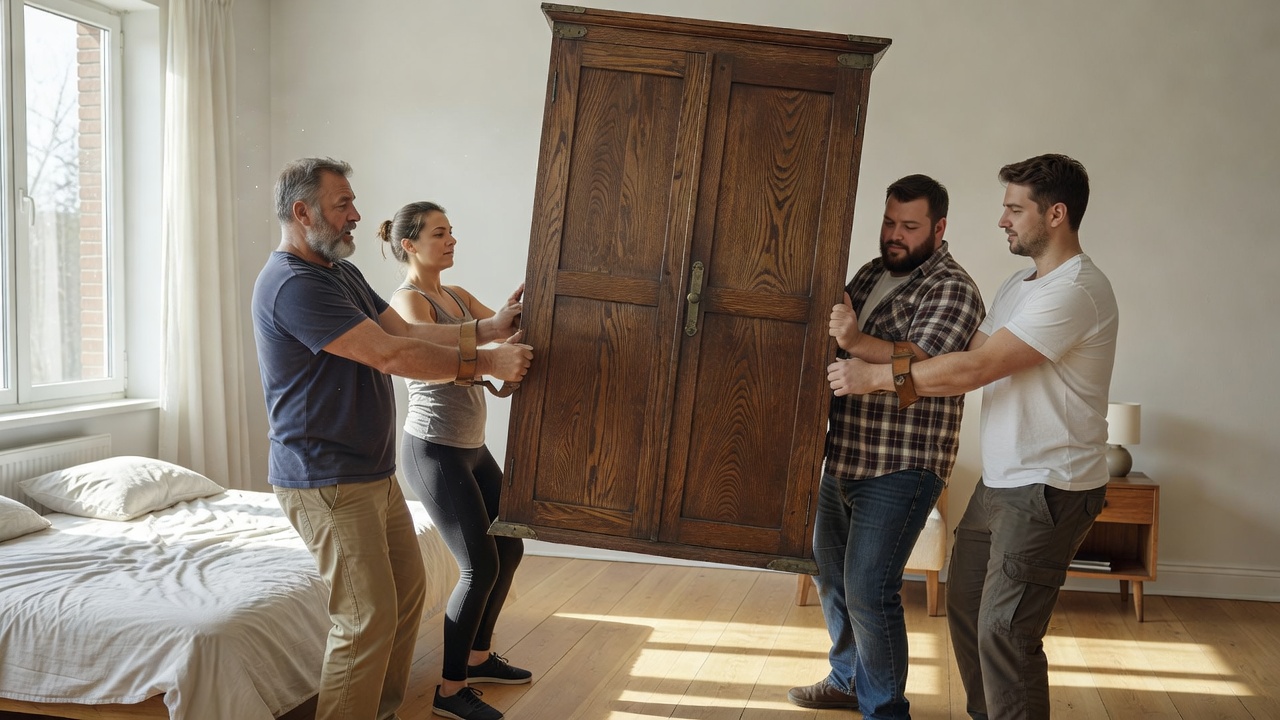
The technique is simple, and almost everyone forgets it by the third box. Stand close to the load with your feet apart. Bend your knees and keep your back straight. Hold the item close to your body, lift by straightening your legs, and turn with your feet rather than twisting your spine.
When two people carry, one person calls the moves: "lifting on three", "turning left", "stopping". Agree on the route and where you will put the item down before you pick it up. If either of you needs to rest, say so. A pause is cheaper than a strain.
If you have a back problem or an injury, ask a doctor before heavy lifting and hire help for the heavy items. That is a sensible choice, not a failure.
Step 02
Four inexpensive things carry most of the weight on a house move. Here is what each does, and when to leave it in the cupboard.
LiftA sling across the forearms shares the load between two people and keeps the grip secure.
 Lift
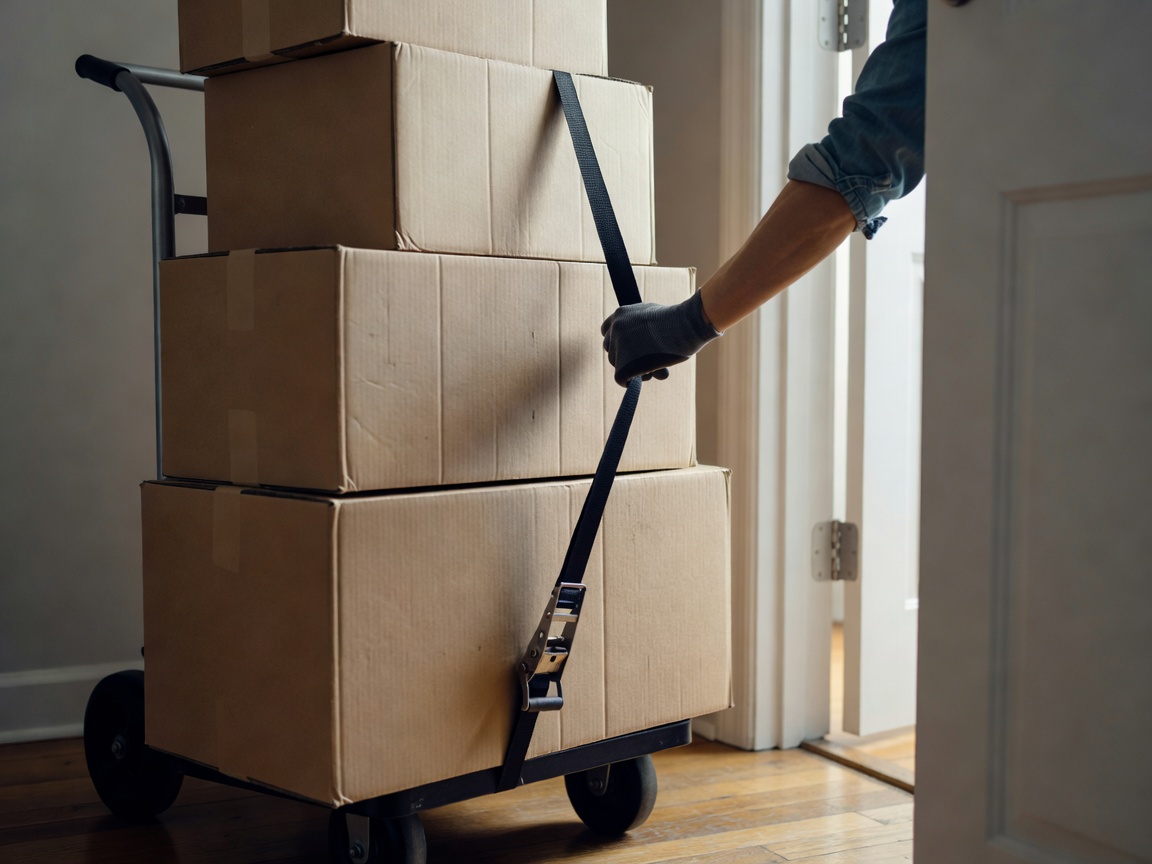
Ideal for box runs and appliances. Tilt back, let the wheels carry the weight.
 Protect
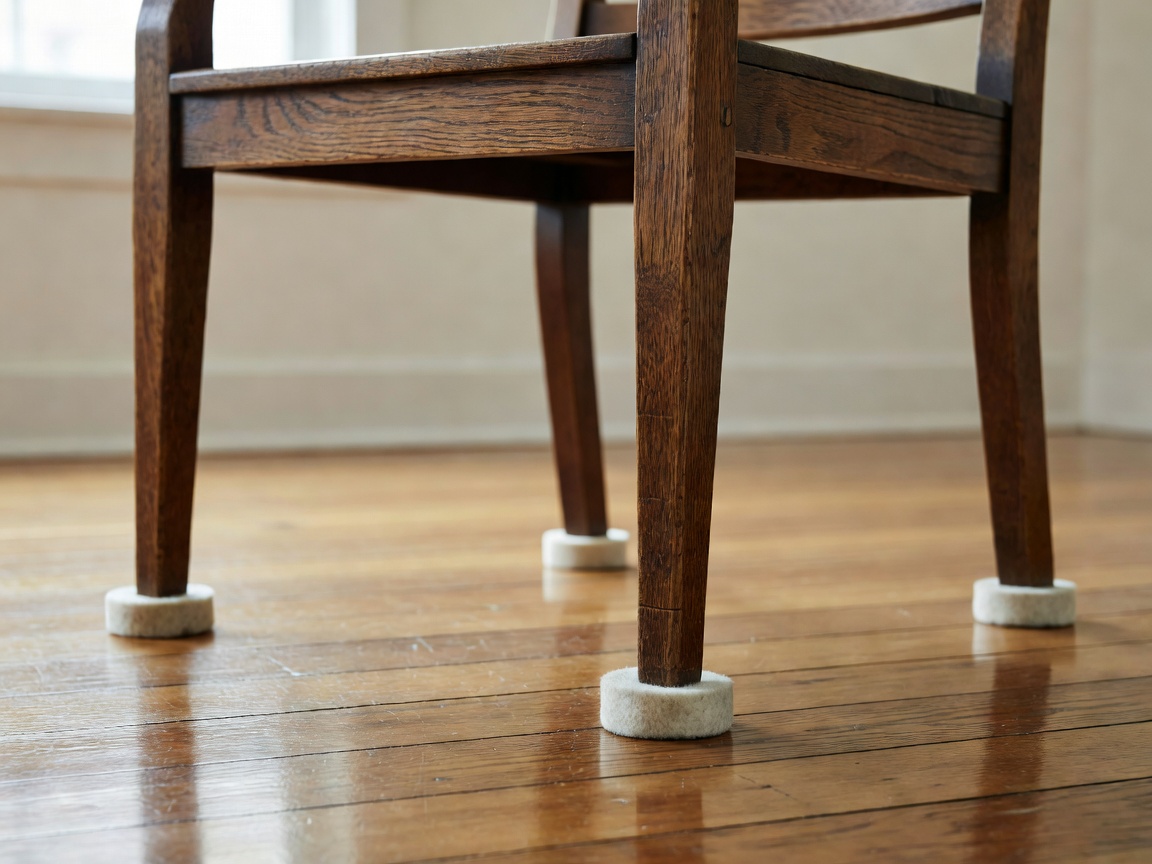
Slide heavy pieces across floors instead of lifting them. Felt for hard floors, plastic for carpet.
Step 03
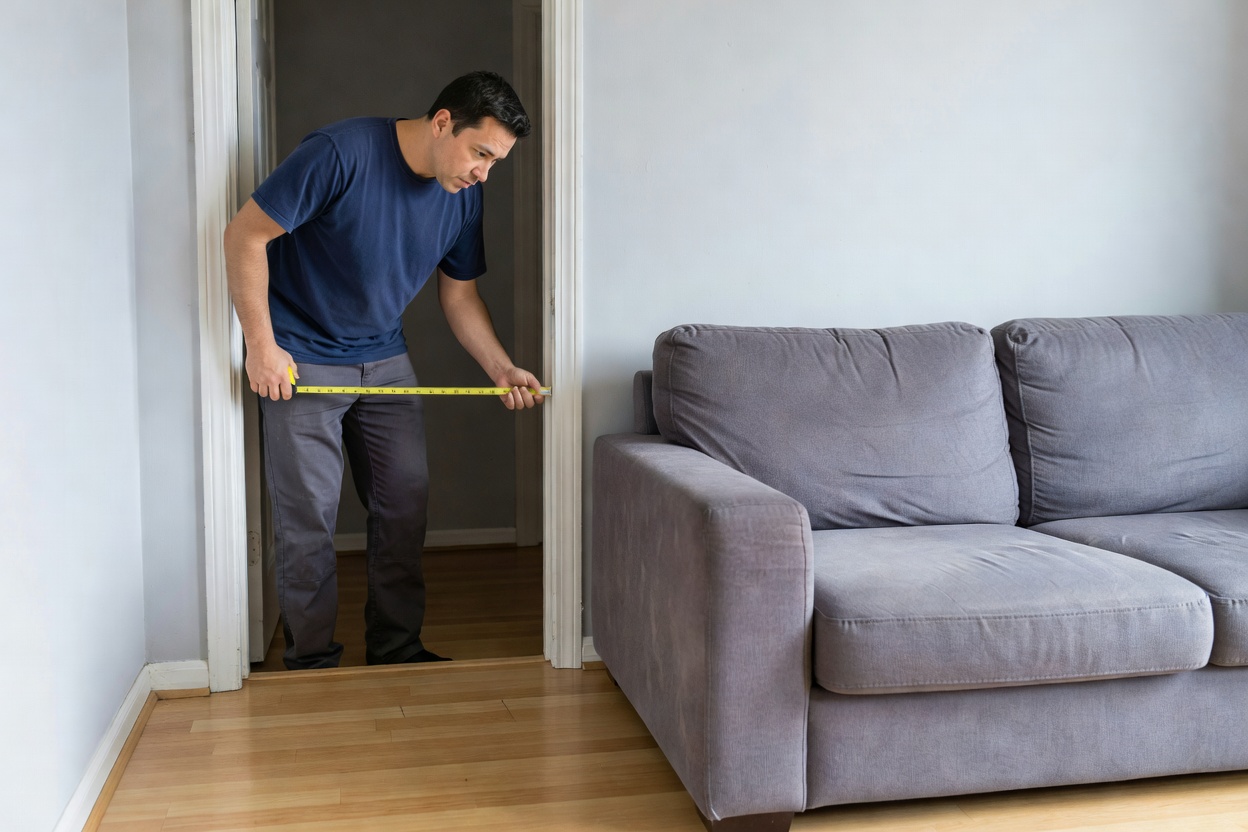
Measure before you lift. Check the item's height, width and depth against the narrowest door, the stair turn and the lift. Many sofas pass through only on their end, and most legs unscrew with a hand turn.
On stairs, go slowly with a spotter at the bottom and clear communication at every step. Lift the item at the heavier end below you so the weight stays on the person who is lower. Take banisters off if they stand in the way, and remove door hinges only if you know how to refit them.
If a piece truly will not go through, it is cheaper to take the window out in some cases, or hire a specialist, than to ruin a wall or your back. Ask before you try.
Step 04
Heavy and flat things go against the front wall: a fridge, a washing machine or a mattress standing on its side. Boxes make solid layers with heavy ones on the bottom. Furniture goes in with blankets between pieces, and ratchet straps hold each section from shifting on corners.
Fill the gaps with soft items such as cushions, rolled rugs and bags of bedding. A tightly packed van is a safe van. If you are hiring help only for the heavy things, the questions page explains when that is worth doing. Then move on to the first night.
Your privacy choices We use necessary cookies to run the site and, with your consent, optional ones to measure visits. You can change this at any time. Read more